
Discover Healthy Recipes Using Ingredients You Have Now
[vc_row][vc_column][vc_column_text]Discover CardioMender, MD’s Healthy Recipes with our online Ingredient Tool CMMD Recipes by Ingredient:
[vc_row][vc_column][vc_column_text]Discover CardioMender, MD’s Healthy Recipes with our online Ingredient Tool CMMD Recipes by Ingredient:
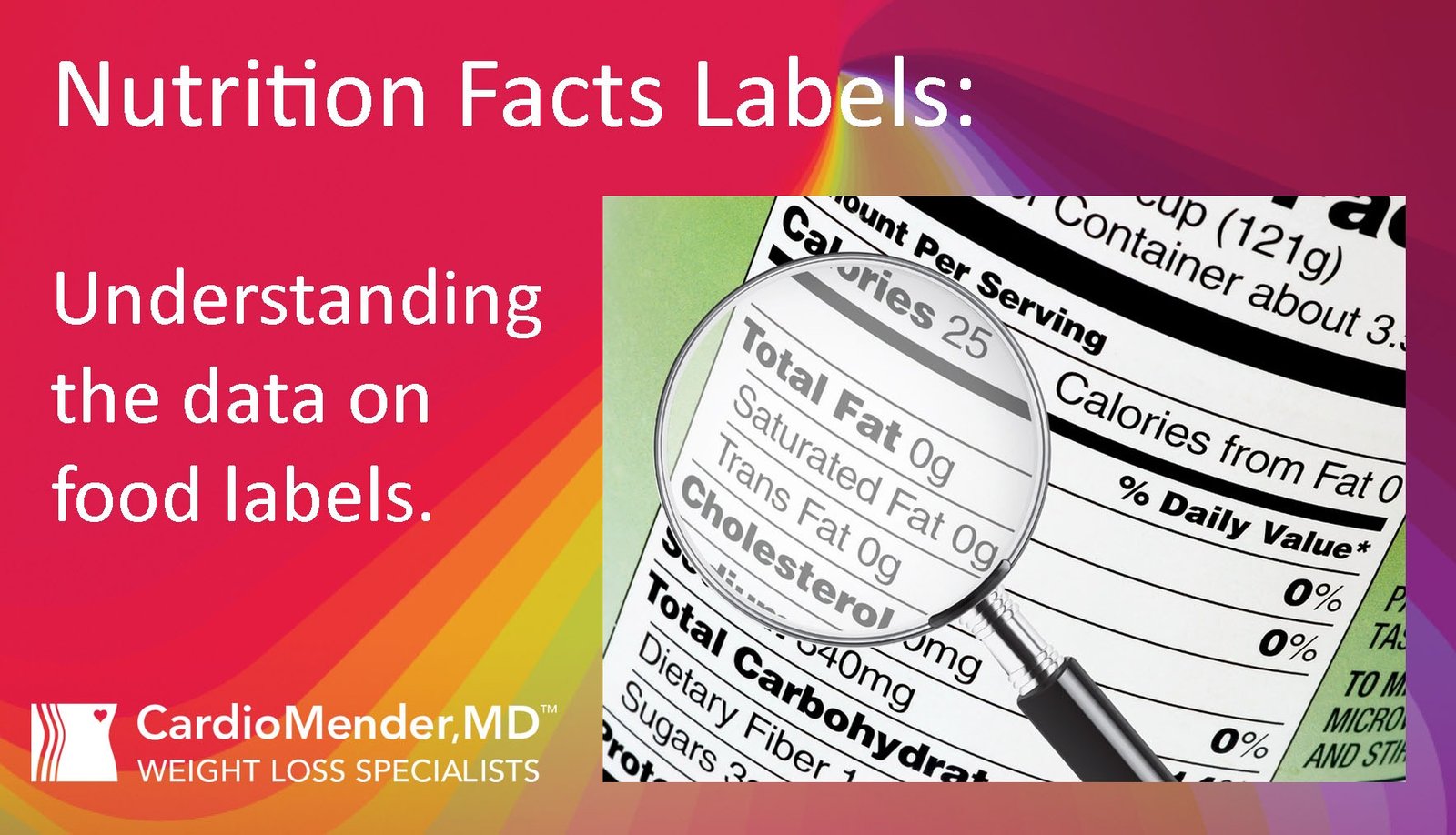
[vc_row][vc_column][vc_column_text]Learning how to understand and interpret the nutrition food labels can help you make healthier choices. CardioMender, MD provides insight into understanding food labels.
There has been lots of attention on the importance of getting enough protein to maintain optimal health, build muscle mass and control hunger. It is true that protein is essential for life, but more is NOT necessarily better. Or is it? Once again, the devil is in the details.
[vc_row][vc_column][vc_column_text css=””]Updated: October 04, 2023
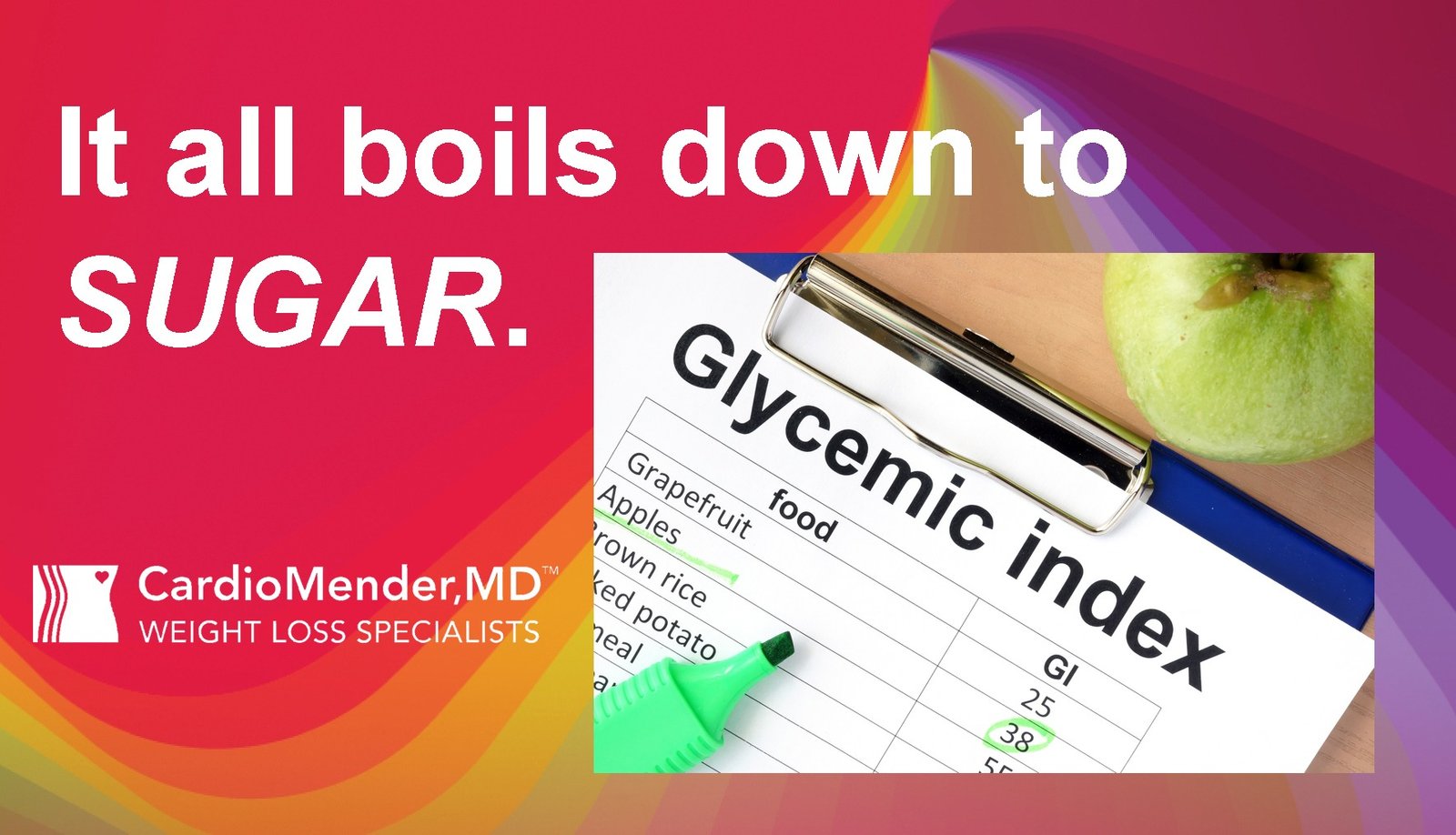
Before covering the remaining items listed on the Nutrition Facts label, it is important to clarify a few related items not addressed on the food label. Two frequently used terms are Glycemic Index and Net Carbs. When evaluating food, they are referred to but often not completely understood.
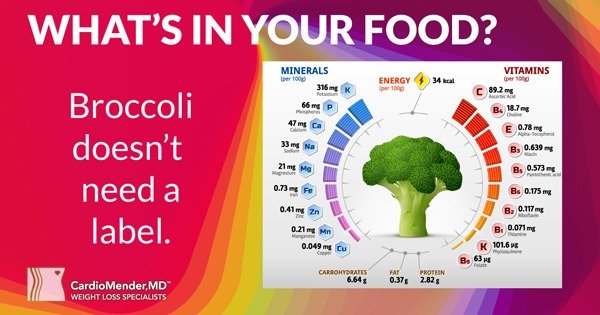
[vc_row][vc_column][vc_column_text css=””]And What You Won’t Find on Them That You Need to Know
We see food labels all the time, but do we stop to read them, and if we do, do we fully understand them? Nutrition Facts provide useful information, both in what they say and what they do not say. Dr. Schiff provides an in-depth look at food labels.
[vc_row][vc_column][vc_column_text css=””]
Nutritional labels provide objective product specific information about the food that’s in the package, but don’t tell us all that we should know about the physiologic and behavioral impact that may be a consequence of eating that specific food. These labels do contain certain critical facts we need to be aware of before making an informed food selection, but in many ways omit the downstream implications of eating the recommended serving or, in many cases, the package. The first step to making a good food choice is to take the time to read the label. The second part is understanding the consequences of making a particular food choice.
To get rid of belly fat, follow these clear-cut steps that are known to work.
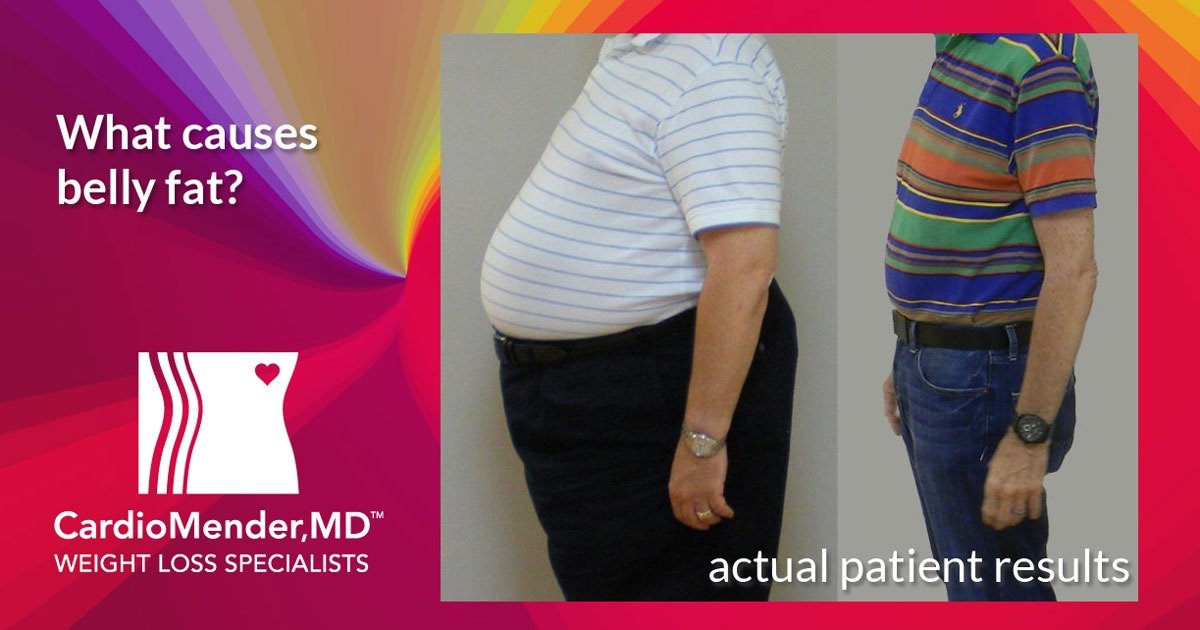
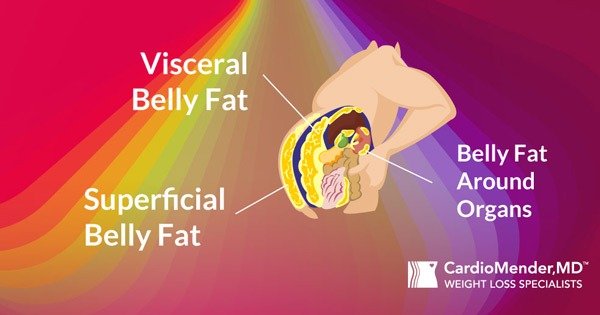
[vc_row][vc_column][vc_column_text css=””]What are the causes of belly fat? Without knowing the root cause, it is virtually impossible to implement a sustainable solution. Genetics and age contribute, but there is little we can do about these. Menopause and low testosterone have both been associated with increased belly fat. There are many contributing factors we can address such as the foods we eat, daily stress, our body’s hormones and being sedentary.
[vc_row][vc_column][vc_column_text css=””]Updated July 2022
Belly Fat…Nobody likes it. Everyone wants to know how to lose belly fat. Not long ago it was a common belief that people with big bellies were both healthy and wealthy. It was desired to be fat. Today, with the industrialization of the agriculture and food production industries, this paradigm has reversed. It’s not desirable for good reasons, reasons very important for your health.
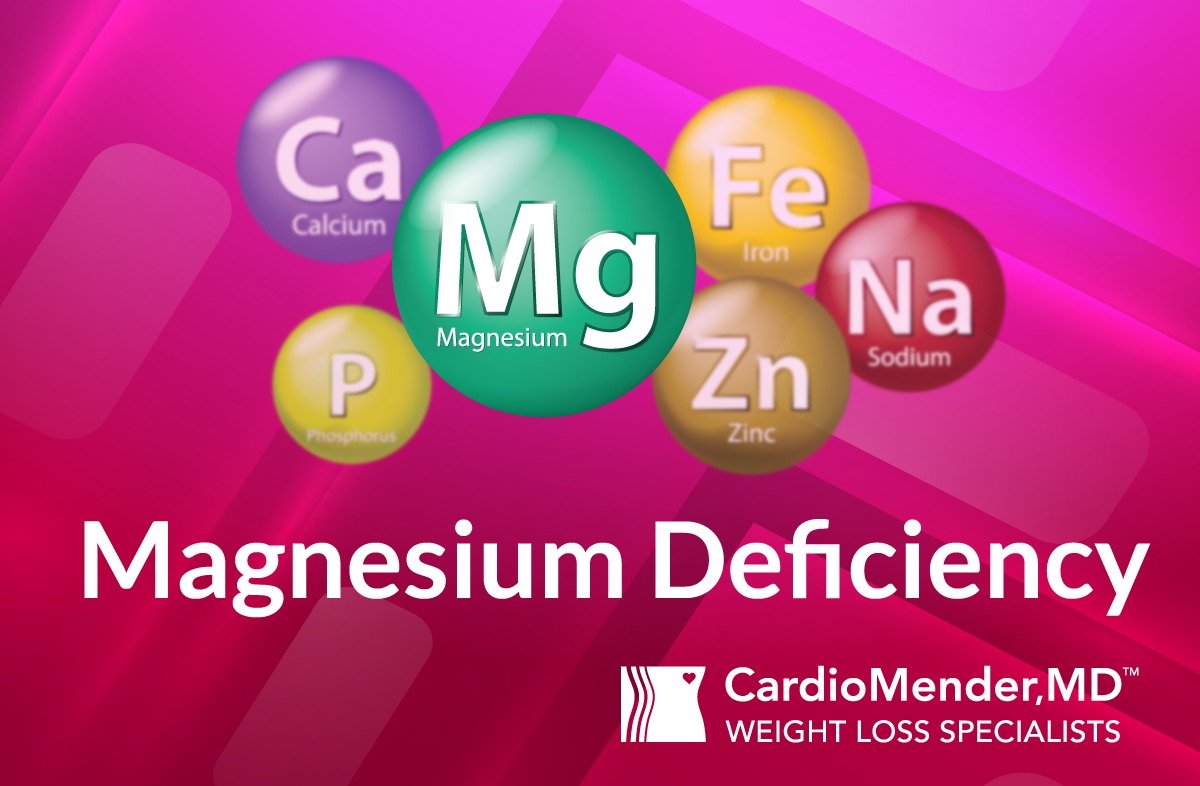
[vc_row][vc_column][vc_column_text css=””][vc_row][vc_column width=”1/1″][vc_column_text]Last week we discussed magnesium deficiency, likely the most frequent and most overlooked electrolyte abnormality. Symptoms and associated medical conditions were presented, along with causes, challenges and reasons for maintaining adequate amounts of magnesium in our bodies.
[vc_row][vc_column][vc_column_text css=””]Question: What is likely the most frequent and overlooked electrolyte deficiency affecting approximately 80% of Americans?
Clue: The answer is NOT Potassium or Calcium.