[vc_row][vc_column][vc_column_text css=””] First off, what is Vitamin D? Vitamin D is not just your run-of-the-mill vitamin…it has hormonal function as well! Vitamin D is essential to your body for the proper absorption of calcium and bone development. It aids in control of cell growth, proper immune functioning, and limits effects of inflammation. People with vitamin…
[vc_row][vc_column][vc_column_text css=””]
Vitamin D is not just your run-of-the-mill vitamin…it has hormonal function as well!
Vitamin D is essential to your body for the proper absorption of calcium and bone development. It aids in control of cell growth, proper immune functioning, and limits effects of inflammation. People with vitamin D deficiency may experience bone pain and muscle weakness although the symptoms may be mild at first. A more severe deficiency in vitamin D can lead to rickets, a disease in which bones fail to properly develop. Furthermore, inadequate levels of vitamin D can lead to increased cancer risk, poor hair growth, and osteomalacia, a condition of weakened muscles and bones.

Photo Credit: https://nutritionfacts.org/2022/02/22/vitamin-d-recommendations-infographic/
Vitamin D is found in many foods but is also naturally made by your body when you expose your skin to the sun, earning its nickname the “sun-shine vitamin”. In addition, vitamin D is widely added to many foods such as milk and can also simply be consumed as a supplement.
The major role of vitamin D is to maintain normal blood levels of calcium and phosphorus. Vitamin D helps the body absorb calcium, which forms and maintains strong bones. It is used alone or together with calcium to improve bone health and decrease fractures and risk of osteoporosis.
There are many causes of vitamin D deficiency –
Unfortunately, despite growing attention to vitamin D deficiency, there are no established guidelines to help doctors decide who warrants laboratory testing. Higher risk groups that definitely need to be tested, which can be done easily through a blood test for 25 hydroxy vitamin D (25(OH)D), include older persons in nursing homes and hospitals, persons with history of hip fracture, dark–skinned women, and mothers of babies with low vitamin D. Better guidelines obviously need to be set for wider screening and earlier diagnosis.
Current guidelines have classified vitamin D levels into four stages according to 25(OH)D – severe deficiency (32 nmol/L). Recent research suggests the values of having sufficient vitamin D are likely much higher and closer to 50-75 nmol/L.
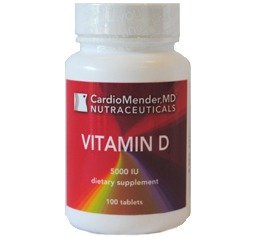
There are a number of ways to replace vitamin D in supplemental form. Preparations are either vitamin D3 or vitamin D2. Vitamin D3 is similar to the vitamin D our body makes when exposed to the sun while vitamin D2 is a plant based supplement. Over the counter preparations are usually in the form of vitamin D3 and can be found in 400, 800, 1000, and 2000 IU strengths or your doctor may prescribe vitamin D2 (ergocalciferol), which provides 50,000 IU per capsule. Based upon your levels your doctor may recommend different forms of replacement.
To prevent vitamin D deficiency in healthy patients the general recommendations differ amongst organizations.
| Endocrine Society | Vitamin D Council | |
|---|---|---|
| Infants | 1000 IU/day | 400-1000 IU/day |
| Children | 600-1000 IU/day | 1000 IU/day per 25 lbs of body weight |
| Adults | 1500-2000 IU/day | 5000 IU/day |
As a note, the Food and Nutrition Board daily intakes, which are the recommendations from the US government, are much lower.
Excess vitamin D can cause the body to absorb too much calcium. Although it is very difficult to become toxic from vitamin D, it is possible. You would have to ingest more than 10,000 to 40,000 IU/day for an extended period of time, and this could cause an increased risk of heart attack and kidney stones.
The following are the safe daily maximums for vitamin D:
| Endocrine Society | Vitamin D Council | |
|---|---|---|
| Infants | 2000 IU daily | 2000 IU daily |
| Children | 4000 IU daily | 2000 IU Daily per 25 lbs of body weight |
| Adults | 10000 IU daily | 10000 IU daily |
More and more research is pointing to the importance of vitamin D, and it is not just linked to bone health. Sunlight is a great source but certain foods are good as well. Supplements are useful if you are otherwise healthy and if your 25(OH) D levels are low. Ask your doctor to check your level at your next visit so you know what your number is!
CardioMender provides patients with valuable weight loss and health advice that will lead to a better, healthier lifestyle. For more information on our program, contact us today!
References:
Bendik I, Friedel A, Roos FF, Weber P, Eggersdorfer M. Vitamin D: a critical and essential micronutrient for human health. Frontiers in Physiology 2014; 5:1-14.
Kulie T, Groff A, Redmer J, Hounshell J, Schrager S. Vitamin D: an evidence-based review. JABFM 2009; 22:698-704.[/vc_column_text][/vc_column][/vc_row]
Our physician-supervised weight loss and aesthetic programs are designed around your unique body, goals, and lifestyle.